These advantages translate directly into reduced physical strain on installation crews, faster placement and adjustment, and lower labor costs per square meter. In projects where access is restricted by scaffolding, narrow corridors, or elevator size constraints, the cumulative time savings from using lighter materials can be substantial, contributing to shorter overall project timelines.
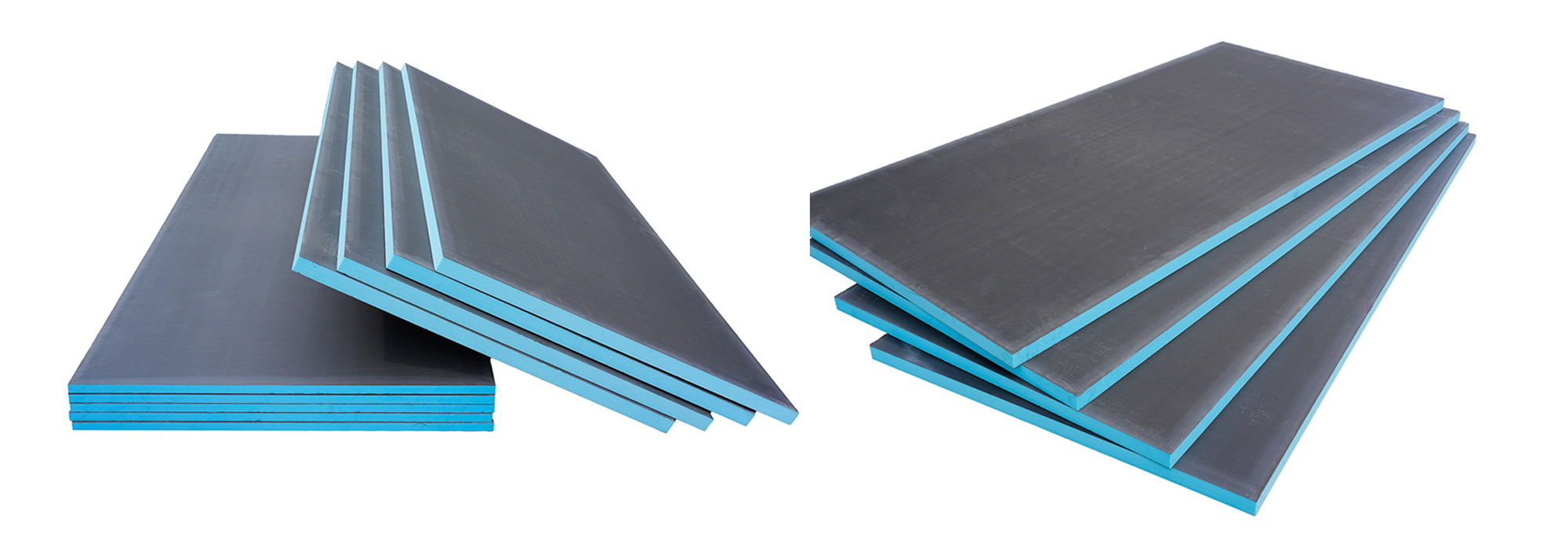
Cost and weight involve a delicate trade-off that warrants careful evaluation. Opting for the lowest-priced product without considering its weight and corresponding material quality can prove counterproductive in the long run.
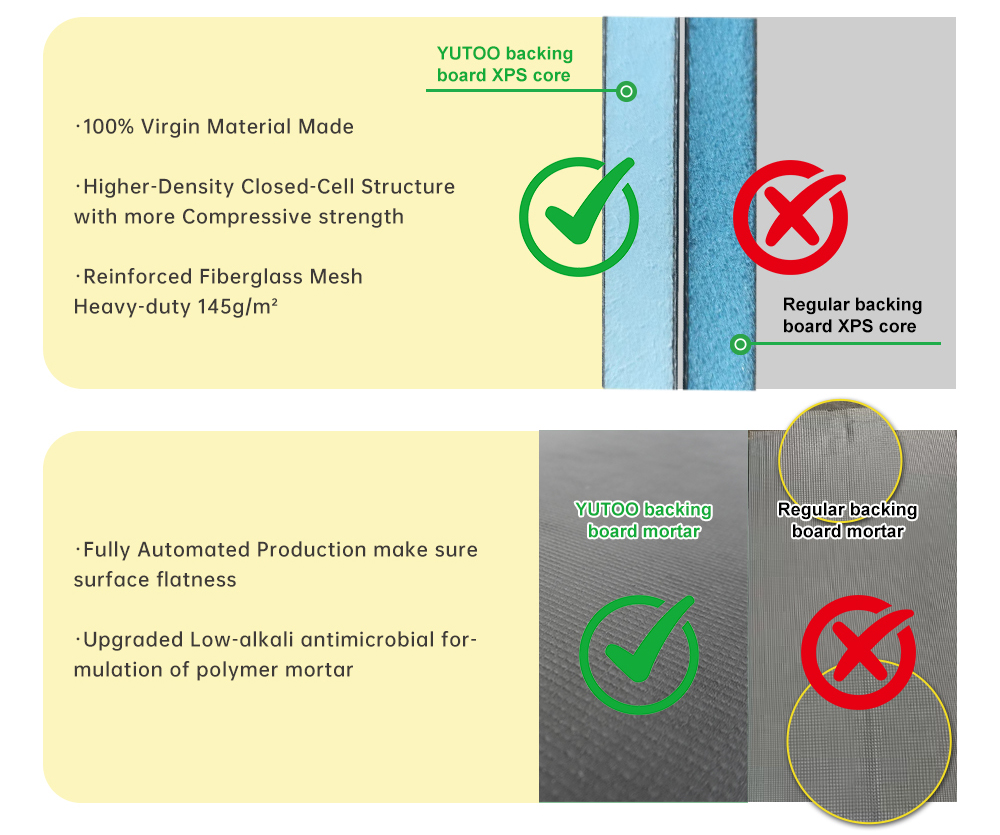
Premium waterproof backer boards often command a higher upfront price, but they typically feature an optimized weight-to-density ratio that delivers superior waterproofing performance and extended service life. This translates into better long-term value, as reduced maintenance and replacement needs offset the initial cost difference.
On the other hand, excessively low-priced boards are frequently lighter because of lower material density or substandard manufacturing processes. While they may seem economical at the point of purchase, their compromised integrity often leads to inadequate moisture protection, premature deterioration, and ultimately, higher lifecycle costs due to frequent repairs or full replacement.
Different project types and environments call for distinct weight characteristics in waterproof backer boards, and selecting the right specification depends on the unique demands of each scenario.
In home improvement projects, particularly in compact apartments or townhouses, lightweight boards are generally preferred. Their ease of handling and installation aligns well with the space limitations typical of small-footprint bathrooms and kitchens, while reducing the need for heavy-duty support structures.
In major civil or commercial projects—such as basement waterproofing systems—heavier and thicker boards are often specified. These applications must withstand greater hydrostatic pressure and lateral earth loads, where increased board density and mass contribute directly to improved structural strength and long-term stability. Under such conditions, the additional weight is a deliberate and necessary design choice to ensure safety and durability.
·Application-Specific Weight Requirements – Context Matters
Roof installations present a unique set of weight considerations. Excessively heavy boards can impose undesirable dead loads on the building structure, potentially requiring costly structural upgrades. Conversely, boards that are too light may be vulnerable to wind uplift or displacement during extreme weather events. The optimal choice lies in selecting a board weight that achieves a balance between structural economy and secure mechanical anchorage against environmental forces.
the load-bearing capacity of the existing substrate, which determines the maximum board weight that can be safely supported without reinforcement;
the logistical constraints of the construction site, including access, lifting equipment availability, and labor capabilities, all of which influence the practical weight limit for efficient installation;
the long-term performance expectations, particularly in applications subject to high stress or severe exposure, where the incremental cost of a denser, heavier board may be fully justified by extended service life and reduced risk of failure;
and whether the upfront cost saving of a lighter board is offset by potential future liabilities—because the cheapest option is rarely the most economical when measured over the full project lifecycle.
The weight of waterproof backer board is far more than a specification number—it is a functional attribute that touches on structural engineering, construction logistics, cost management, and application performance. Lighter boards enhance handling efficiency and suit space-constrained residential work, while heavier variants provide the strength and stability essential for demanding commercial and below-grade applications.
Ultimately, the most cost-effective and reliable choice is not necessarily the lightest or the heaviest, but the one that aligns best with the specific structural context, installation environment, and performance requirements of each individual project. A thoughtful, context-driven evaluation of weight ensures that waterproofing solutions deliver both immediate practicality and lasting value.